Charter a private jet from Chicago to Los Angeles and fly from DuPage (DPA), Palwaukee (PWK), or Midway (MDW) directly to Van Nuys (VNY), Burbank (BUR), or John Wayne Airport (SNA) — skipping commercial terminals entirely. Estimated one-way pricing from $21,000. Favored by entertainment industry clients, celebrities, and athletes flying between two of the country's most active private aviation markets
The Chicago–Los Angeles corridor is one of the most heavily traveled private aviation routes in the country, connecting two of the nation’s largest business and entertainment markets across roughly 1,745 miles. Executives, entertainment industry clients, professional athletes, and high-net-worth travelers departing the Chicago metro area most commonly use DuPage Airport (DPA), Palwaukee Municipal Airport (PWK), or Chicago Midway International (MDW) to avoid the congestion and security lines at O’Hare. On the Los Angeles end, Van Nuys Airport (VNY), Bob Hope Airport in Burbank (BUR), and John Wayne Airport in Santa Ana (SNA) serve as the preferred private jet arrival points, putting passengers closer to their final destination without the delays and ground-side complexity of LAX.
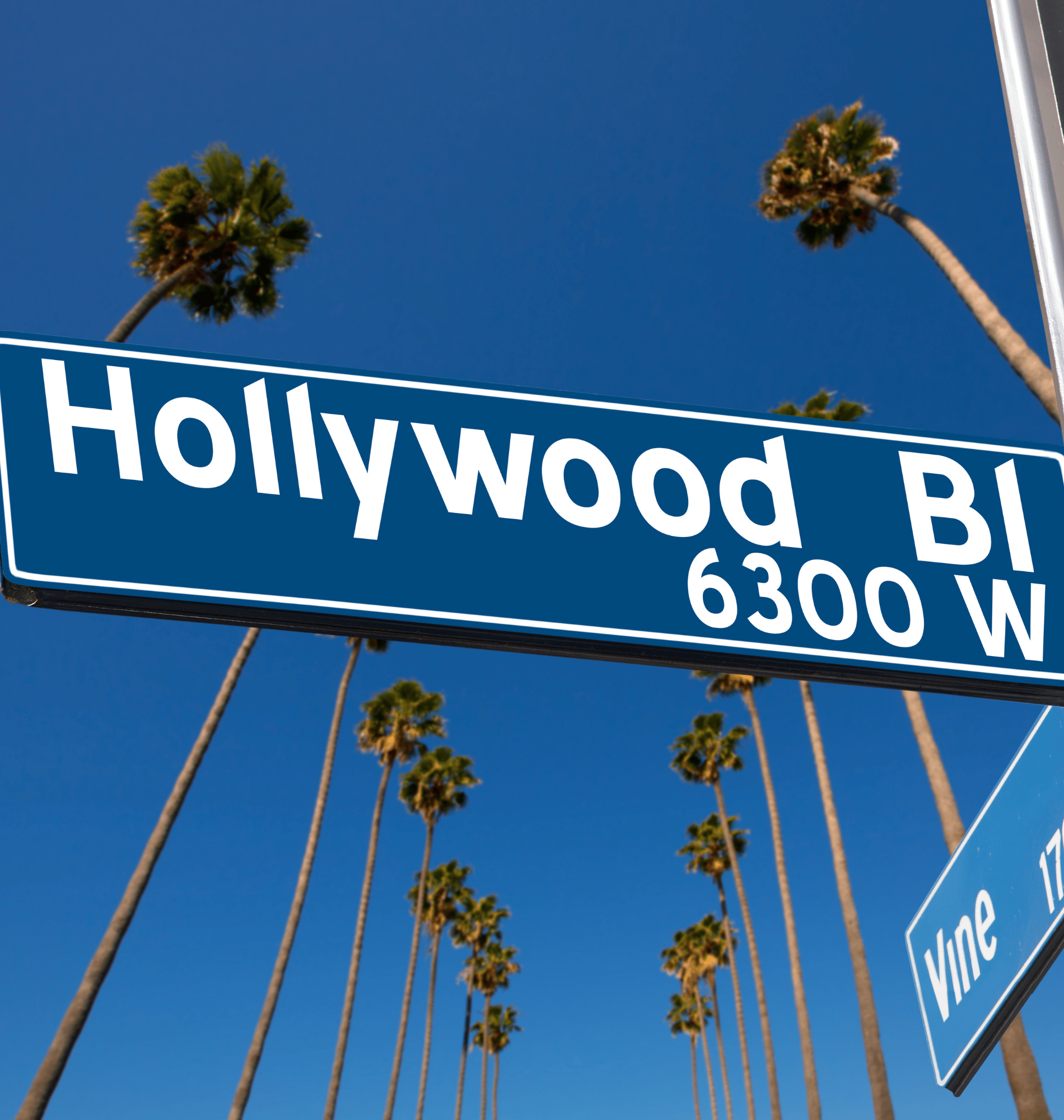
Hollywood’s film and television industry has long made this route a staple of the entertainment world’s travel calendar. Celebrities, studio executives, directors, and musicians charter regularly between Chicago and Los Angeles for award season commitments, production meetings, press tours, and personal travel. Professional athletes flying between Chicago’s sports franchises and their Los Angeles counterparts — or heading to the coast for the off-season — rely on private aviation to protect their schedules, their privacy, and their recovery time. For these travelers, a direct charter eliminates the exposure and unpredictability of commercial flying entirely.
This page covers estimated charter pricing by aircraft category, a comparison of arrival airports and their FBO options, recommended aircraft for this distance, and a time-savings breakdown versus commercial travel. Use it as a planning reference or as a starting point for a formal quote from our charter team.
| Aircraft Category | Estimated One-Way Range | Typical Passengers | Approx. Flight Time |
|---|---|---|---|
| Light Jet | $21,000 – $25,000 | 4–6 | ~4 hrs (fuel stop likely) |
| Midsize Jet | $23,000 – $27,000 | 6–8 | ~4 hrs |
| Super-Midsize Jet | $24,000 – $31,000 | 8–9 | ~3.75 hrs |
| Large / Heavy Jet | $31,000 – $43,000 | 10–16 | ~3.75 hrs |
Pricing reflects estimated one-way charter costs and varies based on aircraft availability, positioning fees, fuel surcharges, and seasonal demand. Contact our team for a firm quote.
Three private aviation airports serve the greater Chicago metro area, each with distinct advantages depending on where your passengers are located before departure.
1. DuPage Airport (DPA) — West Chicago
2. Palwaukee Municipal Airport (PWK) — Wheeling
3. Chicago Midway International (MDW) — Chicago
The Los Angeles basin offers multiple private aviation airports. The right choice depends on your final destination — whether that’s the entertainment industry hub in the San Fernando Valley, the Westside, Orange County, or central Los Angeles.
1. Van Nuys Airport (VNY) — Primary Arrival
2. Hollywood Burbank Airport (BUR) — Primary Arrival
3. John Wayne Airport (SNA) — Primary Arrival
4. Los Angeles International Airport (LAX) — Alternate
5. Santa Monica Airport (SMO) — Alternate
At roughly 1,745 miles, this route sits at the upper end of super-midsize range and is well within the envelope of most heavy jets nonstop. Light jets can operate this route but will typically require one fuel stop, adding 45–60 minutes to the total trip. Midsize jets can often operate nonstop depending on payload, winds, and specific airframe. For passengers prioritizing a nonstop flight with a full cabin, a super-midsize or large jet is the most efficient choice.
Commercial service between Chicago and Los Angeles is frequent, but the door-to-door time calculus changes significantly when you factor in pre-security requirements, checked baggage, and the ground transfer from O’Hare or Midway to the commercial terminal. Private aviation compresses that timeline substantially — particularly when departing from DPA or PWK, which are in or near the residential and business corridors most Chicago-area private aviation clients already live and work in.
On a transcontinental route like Chicago–Los Angeles, private charter typically saves 3 to 4 hours of travel time while eliminating exposure at crowded commercial terminals — a calculation that resonates especially with entertainment industry travelers and athletes managing tight schedules.
Q: How far in advance should I book a private jet from Chicago to Los Angeles?
For routine travel, 48–72 hours is often sufficient for most aircraft categories. During peak periods — award season, major sporting events, and summer holidays — we recommend booking 2–3 weeks in advance to ensure the best aircraft selection and pricing. Last-minute bookings are possible but may limit availability to repositioning aircraft at less favorable rates.
Q: Will a light jet fly nonstop from Chicago to Los Angeles?
Most light jets will require a single fuel stop on this route, typically in Texas, Oklahoma, or New Mexico depending on routing and winds. The stop adds approximately 45–60 minutes to the total trip. If a nonstop flight is a priority, a midsize jet (under favorable conditions) or a super-midsize/heavy jet is the appropriate choice.
Q: Are one-way charter rates available, or is round-trip pricing the norm?
One-way charters are available and commonly booked on this route. Pricing reflects the one-way cost of the aircraft and crew, plus any positioning fees if the aircraft needs to reposition from another location. Round-trip bookings within a short window can sometimes reduce positioning costs; our team will advise on the most cost-effective structure for your specific travel dates.
Q: Which Los Angeles airport is closest to Beverly Hills and West Hollywood?
Van Nuys Airport (VNY) is typically the fastest option for Beverly Hills and West Hollywood, especially at non-peak hours on the 405 and 101. Santa Monica Airport (SMO) can be closer geographically, but aircraft limitations at SMO make it unsuitable for most transcontinental charters. VNY’s FBO operators offer ramp-to-car service that puts passengers on the freeway within minutes of block-in.
Q: Can celebrities and high-profile passengers expect privacy at these airports?
Private FBOs at VNY, BUR, SNA, and Chicago’s dedicated private airports are specifically designed to provide discretion. Passengers arrive and depart via dedicated private ramps without passing through public terminals or commercial security checkpoints. FBO operators like Clay Lacy Aviation at VNY and Signature Flight Support at multiple locations are accustomed to handling high-profile clientele with full confidentiality protocols.

When our company plane has other commitments or is down for maintenance, ECS is the only company I ever work with for our supplemental lift.
Jen Ashcroft Flight Operations
We previously used a jet-card membership with another company, but when ECS helped us complete a flight when our membership couldn’t it was easy deciding who we would be going to for all of our future flights. Thanks for saving the big day, and our road show.
Mary Jacobs SVP, Sales
Executive Charter Services helps me look good. My boss knows she’ll get a great private jet experience each time, and I know that ECS will make arranging and planning the flight stress-free and easy despite our never-ending, and frequent last-minute changes!
Mark D. Personal Assistant to A-List Celebrity
We have a different need almost every time we call. We’ve used smaller jets for the sales team, and longer-range options for our chairman and board. ECS makes all the arrangements and ensures everything goes smoothly, every time.
Nicole Angleton Senior Executive Assistant to the Chairman
When everything has to be perfect ECS makes it happen.
Lori Adams Personal Assistant
The best in the business!
Kelly Jackson Assistant to President
Knowledgeable, professional, personal, and discreet – that’s why we keep coming back.
John Markley Corporate Travel Advisor
ECS makes it possible to accomplish the impossible.
Louis Seargant Talent Manager
ECS makes it easy for me to schedule a jet for my boss. One call, and I know that Kevin and his team are working hard to find the best jet at the best price.
Susan Ferrier Executive Assistant to CEO
Kevin has eliminated the need for me to navigate the myriad of companies in the jet charter space. I go directly to Kevin now as he is highly responsive, has impeccable attention to detail, understands the client base which he serves and is always competitive on pricing.
Luciel L. Executive Assistant at Benchmark