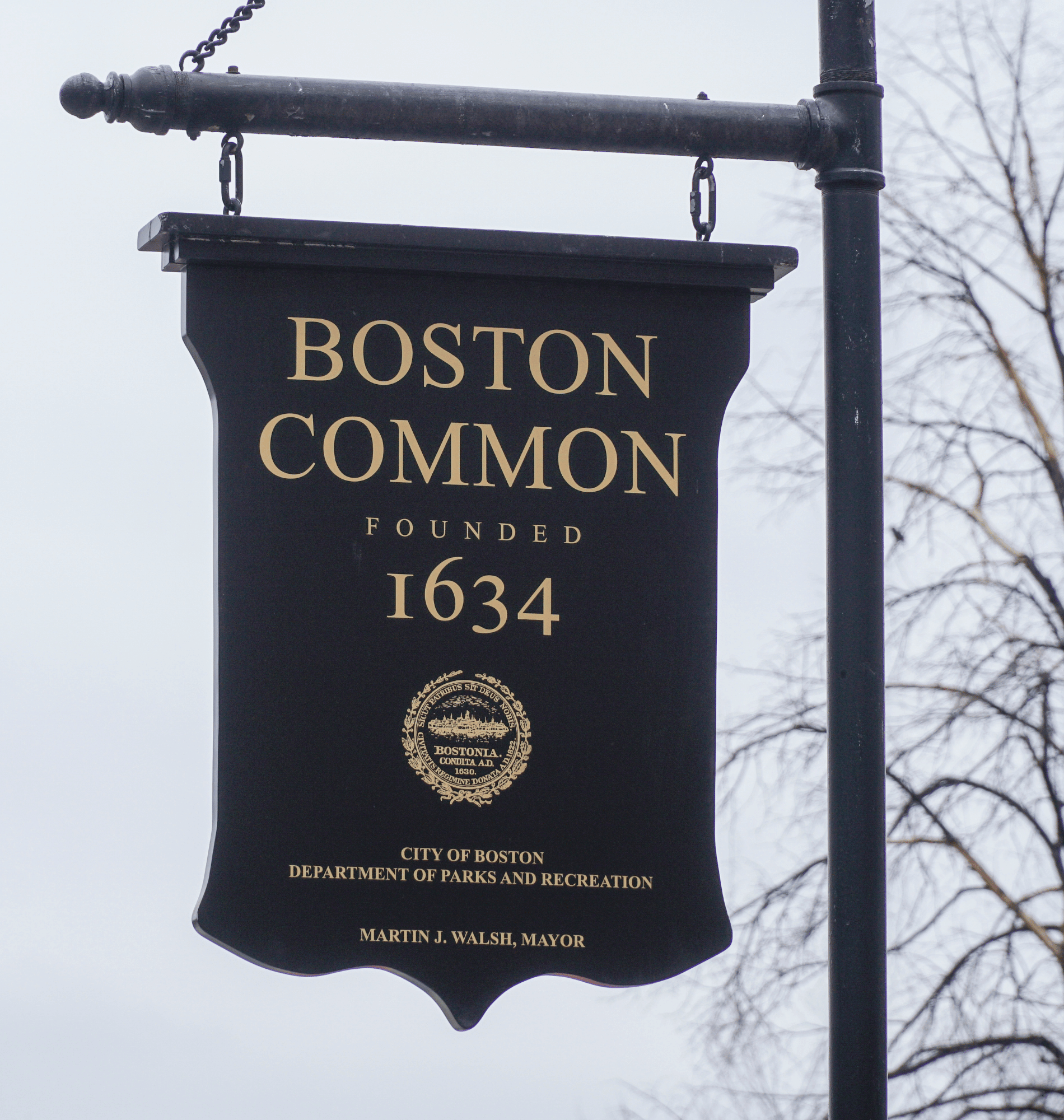
Charter a private jet from Dallas to Boston with departures from Dallas Love Field (DAL), Addison Airport (ADS), and Dallas Executive Airport (RBD). Nonstop flights to Hanscom Field (BED), Providence (PVD), and New Bedford (EWB) starting at $22,000. Ideal for energy, healthcare, and tech executives traveling between two of the country's most active business markets.
Private aviation between Dallas and Boston connects two of the country’s most economically powerful metros — one anchored by energy, finance, and a rapidly expanding technology sector, the other by world-class healthcare, life sciences, and institutional capital. The route spans roughly 1,750 miles, making it an ideal fit for midsize and super-midsize aircraft that can cover the distance nonstop in approximately three and a half to four hours. Departures most commonly originate from Dallas Love Field (DAL), Dallas/Fort Worth International (DFW), or Dallas Executive Airport (RBD), each serving different corners of the metroplex with distinct operational advantages for private travelers.
Demand on this corridor is driven by executives and deal teams across multiple industries. Oil and gas firms headquartered in Dallas — including majors and independents concentrated along the Energy Corridor and in downtown’s Fountain Place — maintain regular cadences to Boston for capital markets meetings and investor relations. Healthcare systems and medical device companies with operations in both markets use the route for clinical leadership travel and M&A due diligence. And a growing tier of technology firms in the Uptown and Legacy West districts of Dallas’s Plano/Frisco corridor maintain engineering and venture relationships with Cambridge and Route 128 that generate consistent private flight demand in both directions. Affluent Dallas suburbs including Highland Park, University Park, Southlake, Westlake, and Colleyville account for a meaningful share of leisure and family travel on this route as well.
This guide covers estimated charter pricing by aircraft category, the three primary private jet arrival airports serving the greater Boston area, aircraft recommendations for this stage length, and practical planning considerations for both first-time and frequent fliers on this corridor.
| Aircraft Category | Estimated One-Way Range | Typical Passenger Capacity | Notes |
|---|---|---|---|
| Light Jet | $22,000 – $26,000 | 4 – 7 | May require a fuel stop depending on winds and aircraft model; best for small groups prioritizing cost |
| Midsize Jet | $24,000 – $28,000 | 6 – 8 | Most popular category on this route; typically nonstop with comfortable cabin for working en route |
| Super-Midsize Jet | $25,000 – $32,000 | 8 – 10 | Ideal for larger deal teams or groups requiring stand-up cabin and full baggage capacity nonstop |
| Large / Heavy Jet | $32,000 – $45,000 | 10 – 16 | Maximum comfort and range; suited to executive leadership travel or large groups with full luggage |
All pricing represents estimated one-way charter costs. Final quotes vary based on aircraft availability, positioning fees, fuel surcharges, and trip-specific requirements. Contact ECS for a firm quote.
The greater Boston metro is served by three private aviation-friendly airports, each with a distinct geographic advantage depending on your final destination. None of the three is universally superior — the right choice depends on whether your meetings are in Cambridge, the Seaport, MetroWest, or the South Shore.
1. Laurence G. Hanscom Field (BED) — Bedford, MA
2. Theodore Francis Green Airport / Providence (PVD) — Warwick, RI
3. New Bedford Regional Airport (EWB) — New Bedford, MA
At roughly 1,750 miles, this route is well within the nonstop range of most midsize and super-midsize jets, and at the outer edge of many light jets without a fuel stop. The following aircraft categories represent the most commonly chartered options on this corridor:
The Dallas–Boston commercial route is served by nonstop flights operated from DFW and DAL to BOS (Logan), with scheduled block times typically ranging from three hours and forty-five minutes to four hours and fifteen minutes. Factor in the full commercial experience, however, and the door-to-door math shifts substantially in favor of private aviation.
For a team of four or more, the per-seat cost differential narrows considerably while the time savings — often three to four hours per direction — remain consistent regardless of group size.
Q: How far in advance should I book a Dallas-to-Boston private jet charter?
For most midsize and super-midsize bookings, 48 to 72 hours is workable in periods of normal demand. During Boston’s spring biotech conference season or fall foliage weekends, securing aircraft five to seven business days out is advisable. Same-day and next-day bookings are possible but come with narrower aircraft choices and potentially higher positioning costs.
Q: Are the prices shown one-way or round-trip?
All pricing shown on this page reflects estimated one-way charter costs. Round-trip pricing can be lower per leg if both segments are booked together and the aircraft can be kept in Boston rather than repositioning back to Texas between flights. Ask your ECS representative about trip rates when your return date is known.
Q: Which Dallas departure airport is best for private jet travel to Boston?
Dallas Love Field (DAL) is centrally located and works well for travelers coming from Uptown, Oak Lawn, and the Park Cities. Addison Airport (ADS) is the preferred option for those based in North Dallas, Plano, Frisco, Allen, and the Legacy West corridor — it’s a dedicated general aviation airport with no commercial traffic and strong FBO services at Million Air and others. Dallas Executive Airport (RBD) serves the southern and southwestern portions of the metroplex, including DeSoto, Cedar Hill, and Mansfield, and handles a range of aircraft categories efficiently.
Q: Can I bring my dog or other pets on a charter flight?
Yes — pets are one of the most common reasons clients prefer private over commercial travel. Dogs and cats typically fly in the cabin with their owners rather than in cargo. Notify your ECS representative at booking so the aircraft operator can confirm any specific requirements. Most operators accommodate standard domestic pets without surcharge; larger or exotic animals may require advance coordination.
Q: Do oil and gas executives typically fly nonstop on this route, or does routing vary?
The overwhelming majority of energy industry travelers on this corridor book nonstop flights on midsize or larger aircraft. Given the time sensitivity of most capital markets and investor relations trips, a fuel stop is generally not an acceptable trade-off. Super-midsize jets such as the Citation Longitude or Challenger 350 are particularly well-suited to this preference, offering guaranteed nonstop performance even in headwind conditions, with cabin environments that support working meetings in flight.

When our company plane has other commitments or is down for maintenance, ECS is the only company I ever work with for our supplemental lift.
Jen Ashcroft Flight Operations
We previously used a jet-card membership with another company, but when ECS helped us complete a flight when our membership couldn’t it was easy deciding who we would be going to for all of our future flights. Thanks for saving the big day, and our road show.
Mary Jacobs SVP, Sales
Executive Charter Services helps me look good. My boss knows she’ll get a great private jet experience each time, and I know that ECS will make arranging and planning the flight stress-free and easy despite our never-ending, and frequent last-minute changes!
Mark D. Personal Assistant to A-List Celebrity
We have a different need almost every time we call. We’ve used smaller jets for the sales team, and longer-range options for our chairman and board. ECS makes all the arrangements and ensures everything goes smoothly, every time.
Nicole Angleton Senior Executive Assistant to the Chairman
When everything has to be perfect ECS makes it happen.
Lori Adams Personal Assistant
The best in the business!
Kelly Jackson Assistant to President
Knowledgeable, professional, personal, and discreet – that’s why we keep coming back.
John Markley Corporate Travel Advisor
ECS makes it possible to accomplish the impossible.
Louis Seargant Talent Manager
ECS makes it easy for me to schedule a jet for my boss. One call, and I know that Kevin and his team are working hard to find the best jet at the best price.
Susan Ferrier Executive Assistant to CEO
Kevin has eliminated the need for me to navigate the myriad of companies in the jet charter space. I go directly to Kevin now as he is highly responsive, has impeccable attention to detail, understands the client base which he serves and is always competitive on pricing.
Luciel L. Executive Assistant at Benchmark