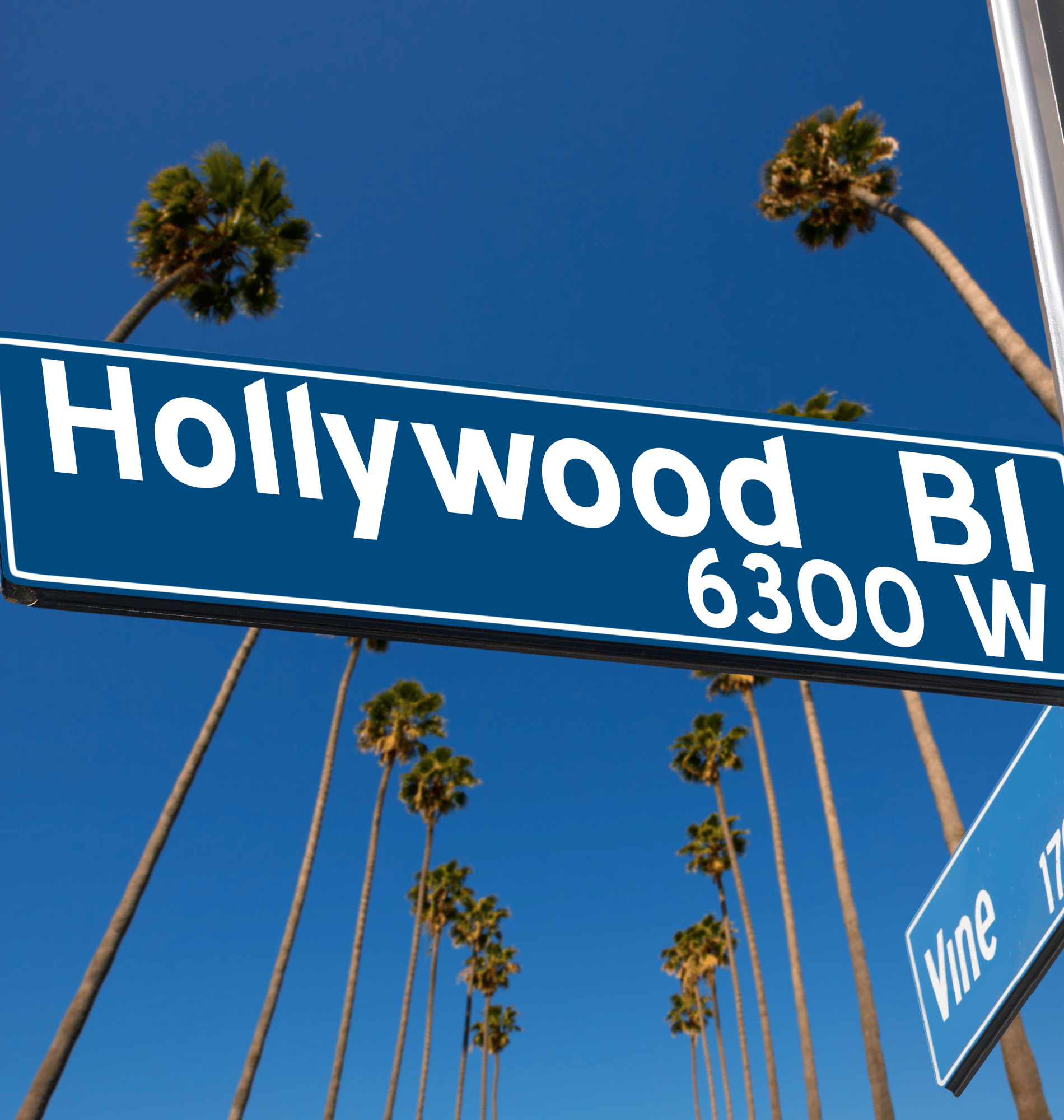
Fly private from Dallas to Los Angeles in about three hours. Compare one-way charter prices from $22,000, departures from Addison, Love Field and Dallas Executive, and arrivals at Van Nuys, Burbank, Long Beach and John Wayne.
Dallas to Los Angeles is one of the busiest business-aviation corridors in the western half of the country. It links the financial, energy and corporate-headquarters base of North Texas with the entertainment, technology, aerospace and trade economy of Southern California. Most private flights on this route depart Addison Airport (ADS), Dallas Love Field (DAL) or Dallas Executive Airport (RBD) and arrive at Van Nuys Airport (VNY), the principal general aviation gateway to Los Angeles. Hollywood Burbank (BUR), Long Beach (LGB) and John Wayne–Orange County (SNA) serve as alternates depending on where in the region you’re headed.
Travelers on this route are usually private equity and investment professionals, energy executives, real estate developers and corporate teams moving between Dallas–area headquarters and West Coast partners, studios, portfolio companies and clients. The distance is about 1,240 statute miles. That puts the trip in a range where a private jet saves real time: a nonstop flight of roughly three hours westbound, with no connection, no terminal and no drive across the Los Angeles basin from LAX.
This page covers estimated charter pricing by aircraft category, the best Dallas departure airports, how to choose the right Los Angeles–area arrival airport, aircraft suited to the route, a door-to-door time comparison with commercial travel, seasonal considerations and answers to common questions.
| Aircraft Category | Example Aircraft | Passengers | Est. Flight Time (Westbound) | Est. One-Way Price |
|---|---|---|---|---|
| Light Jet | Phenom 300E, Citation CJ4 | 6–7 | 3 hr 20 min–3 hr 35 min | $22,000–$32,000 |
| Midsize Jet | Citation XLS+, Citation Latitude | 7–9 | 3 hr 10 min–3 hr 25 min | $32,000–$48,000 |
| Super-Midsize Jet | Challenger 350, Citation Longitude | 8–10 | 3 hr–3 hr 15 min | $48,000–$70,000 |
| Heavy Jet | Gulfstream G450, Falcon 900LX | 12–16 | 2 hr 55 min–3 hr 10 min | $72,000–$105,000 |
Prices are estimated one-way charter ranges. Final quotes depend on aircraft availability, positioning, fuel, taxes and fees, overnight crew costs and seasonal demand. Eastbound flights from Los Angeles to Dallas usually run 20–30 minutes shorter because of prevailing westerly winds.
Dallas has three well-equipped general aviation airports for this route. The right one usually comes down to where you live or work.
1. Addison Airport (ADS)
2. Dallas Love Field (DAL)
3. Dallas Executive Airport (RBD)
The best Los Angeles–area airport depends on where you’re going, your aircraft and your arrival time. Several fields have strict noise rules and overnight curfews.
1. Van Nuys Airport (VNY) – Primary Arrival
2. Hollywood Burbank Airport (BUR)
3. Long Beach Airport (LGB)
4. John Wayne–Orange County Airport (SNA)
LAX is rarely the right choice for private flights on this route: ground delays, ramp congestion and higher fees usually outweigh its location.
Demand on this corridor follows the industries that tie the two metros together.
At about 1,240 statute miles, Dallas to Los Angeles is well within nonstop range for every category from light jets up. The main variables are passenger count, baggage and winter headwinds on the westbound leg.
Commercial nonstops between DFW or Love Field and LAX are frequent, but total travel time adds up quickly once you count the trip to the airport, security, boarding and the drive out of LAX.
Total time saved: roughly 3.5 hours each way. On a same-day round trip, that adds up to most of a working day.
Q: How far in advance should I book a Dallas to Los Angeles private jet?
For most of the year, 3–7 days’ notice gives you a good choice of aircraft. Same-day and next-day trips are often possible. During awards season, Thanksgiving and the year-end holidays, book two to three weeks ahead to secure your preferred aircraft and FBO.
Q: Is pricing one-way or round-trip?
The ranges above are one-way estimates. Round trips with a short stay in Los Angeles often cost less overall than two separate one-ways, because the aircraft avoids repositioning empty. One-way empty-leg opportunities also come up regularly on this corridor.
Q: Should I fly into Van Nuys or Burbank?
Van Nuys is usually the better choice for the Westside, Encino, Calabasas, Bel Air and Malibu. Burbank is closer to the major studios, Hollywood and Pasadena. Burbank’s overnight curfew makes VNY the safer choice for late-evening Dallas departures.
Q: Can I bring my pet and extra luggage?
Most operators welcome pets in the cabin with advance notice, subject to the aircraft owner’s policy. Baggage capacity depends on the aircraft. Light jets suit carry-ons and a few bags, while super-midsize and heavy jets easily handle golf bags, skis and production equipment.
Q: Can I depart from Addison or Dallas Executive instead of Love Field?
Yes. ADS is often the fastest option for North Dallas, Plano and Frisco, and RBD is a convenient, lower-cost choice for southern Dallas County. Pricing is usually similar across all three airports, though FBO and handling fees vary.

When our company plane has other commitments or is down for maintenance, ECS is the only company I ever work with for our supplemental lift.
Jen Ashcroft Flight Operations
We previously used a jet-card membership with another company, but when ECS helped us complete a flight when our membership couldn’t it was easy deciding who we would be going to for all of our future flights. Thanks for saving the big day, and our road show.
Mary Jacobs SVP, Sales
Executive Charter Services helps me look good. My boss knows she’ll get a great private jet experience each time, and I know that ECS will make arranging and planning the flight stress-free and easy despite our never-ending, and frequent last-minute changes!
Mark D. Personal Assistant to A-List Celebrity
We have a different need almost every time we call. We’ve used smaller jets for the sales team, and longer-range options for our chairman and board. ECS makes all the arrangements and ensures everything goes smoothly, every time.
Nicole Angleton Senior Executive Assistant to the Chairman
When everything has to be perfect ECS makes it happen.
Lori Adams Personal Assistant
The best in the business!
Kelly Jackson Assistant to President
Knowledgeable, professional, personal, and discreet – that’s why we keep coming back.
John Markley Corporate Travel Advisor
ECS makes it possible to accomplish the impossible.
Louis Seargant Talent Manager
ECS makes it easy for me to schedule a jet for my boss. One call, and I know that Kevin and his team are working hard to find the best jet at the best price.
Susan Ferrier Executive Assistant to CEO
Kevin has eliminated the need for me to navigate the myriad of companies in the jet charter space. I go directly to Kevin now as he is highly responsive, has impeccable attention to detail, understands the client base which he serves and is always competitive on pricing.
Luciel L. Executive Assistant at Benchmark